What homeowners can handle safely
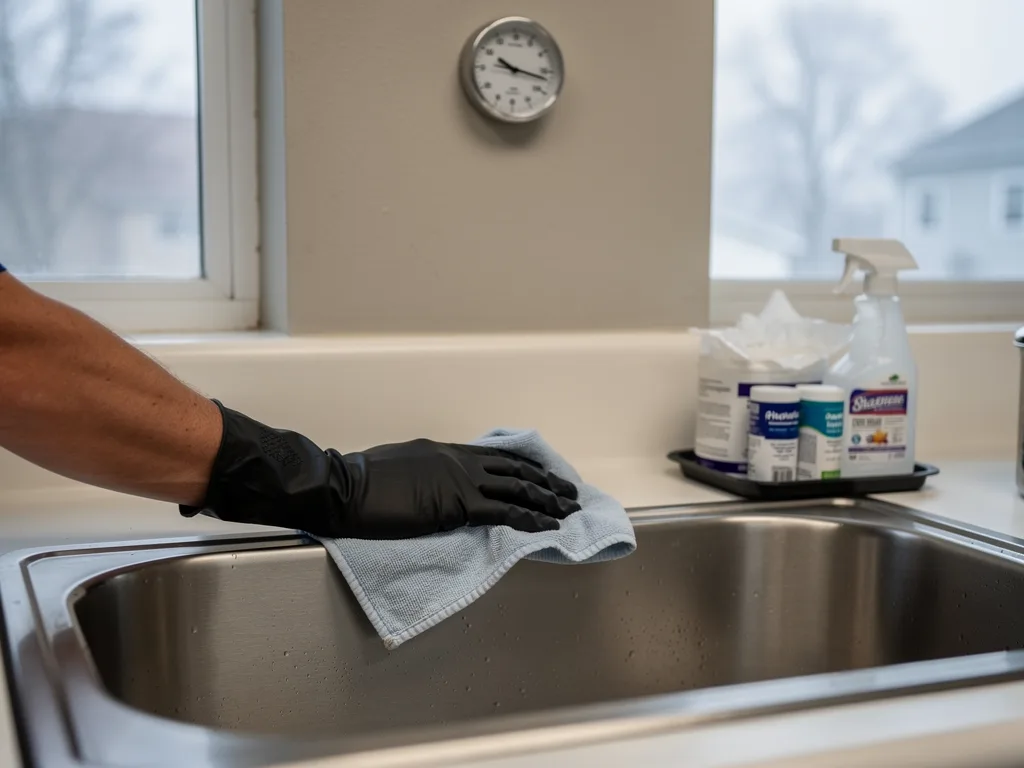
Minor cleaning of non-biohazard residues around the home is okay. If you’re dealing with general surface grime after normal cleaning, a routine cleanup with appropriate PPE like gloves and a mask is acceptable. Keep things simple and avoid disturbing any suspicious materials further.
When the contamination is clearly non-pathogenic or appears limited to a small area, you may manage basic cleaning with household products. However, if there is any uncertainty, or if you’re unsure about the material you’re dealing with, pause and call a biohazard remediation technician for guidance.
Red flags that mean call a pro
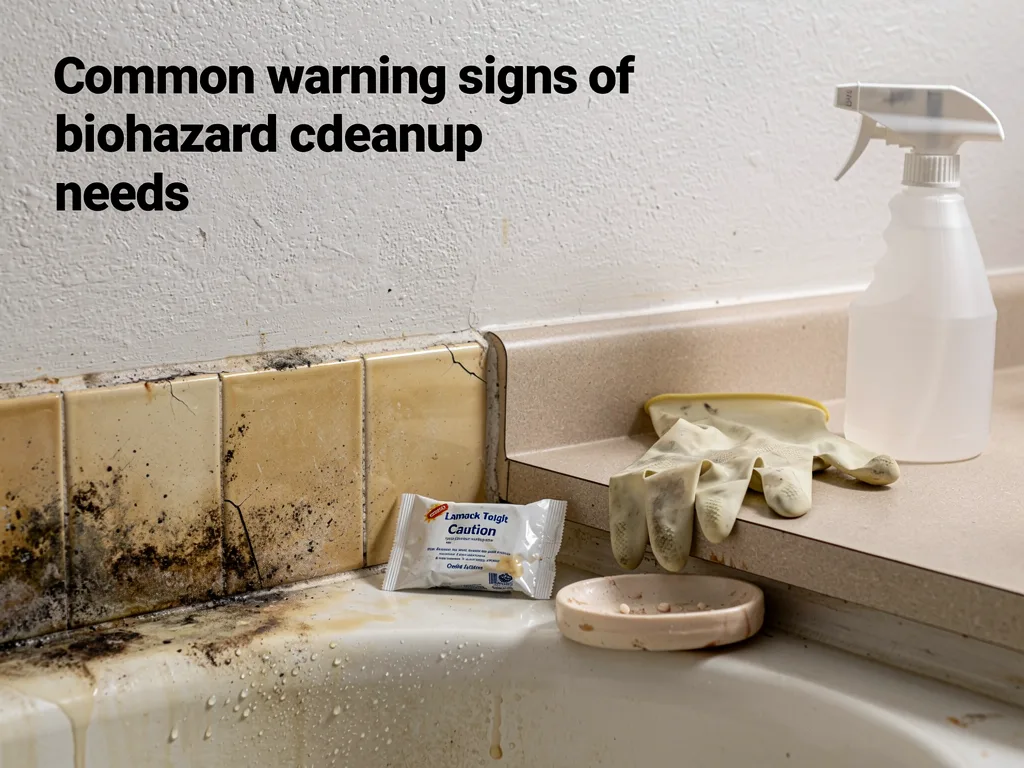
Strong, persistent odors, any staining that returns after cleaning, or visible residues that are unusual in color or texture should trigger a professional assessment. If you suspect biological hazards, chemical exposure, or large areas are involved, a pro should handle containment and disinfection to minimize risk.
In Illinois, weather and indoor conditions can affect the spread of contaminants. A professional team has the right containment tools, safety protocols, and disinfection agents to protect your family and your home across the state.
What a pro brings to the job
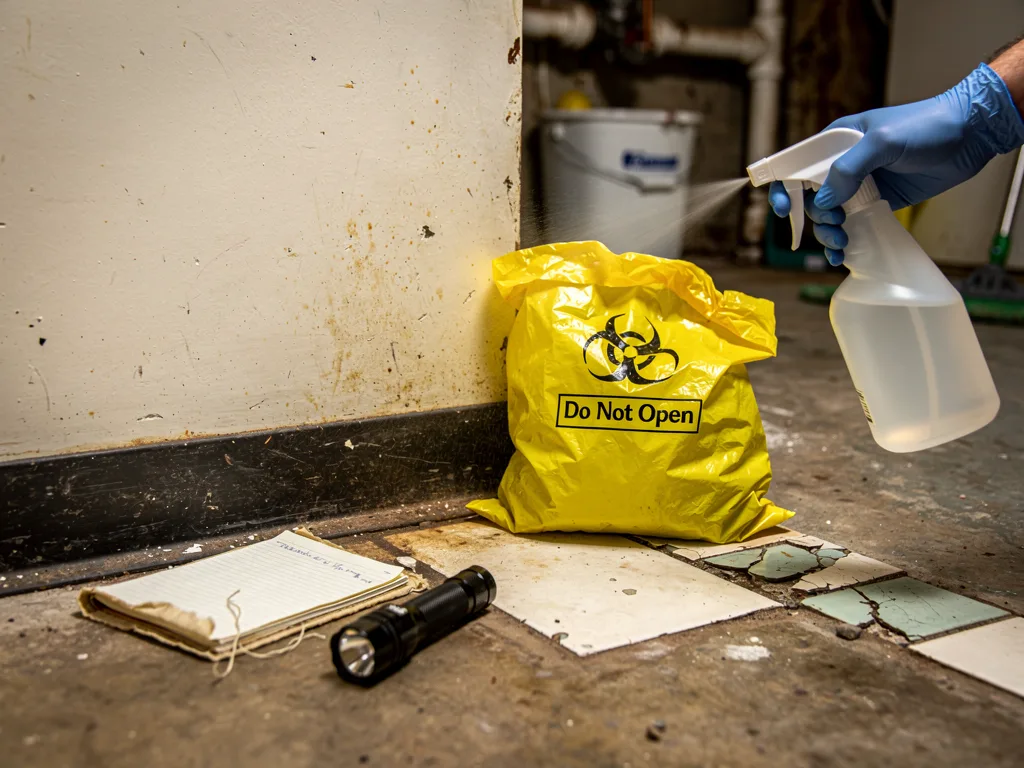
Illinois Biohazard Cleanup technicians provide a structured process: a thorough assessment, containment to prevent spread, removal or stabilization of site materials, detailed cleaning and disinfection, and clear aftercare guidance. The goal is a safe, compliant resolution with minimal disruption to your daily life.
Decision framework for homeowners
Ask yourself: Is the material clearly hazardous? Do you need specialized PPE or containment? Is there a risk to children or pets? If the answer to any of these is yes, reach out to a biohazard remediation technician for an on-site evaluation. Across Illinois, our crews respond with careful planning and steady execution.